Decentralized solution for power distribution.
Use of vehicle body superstructures across multiple vehicle generations
Initial situation:
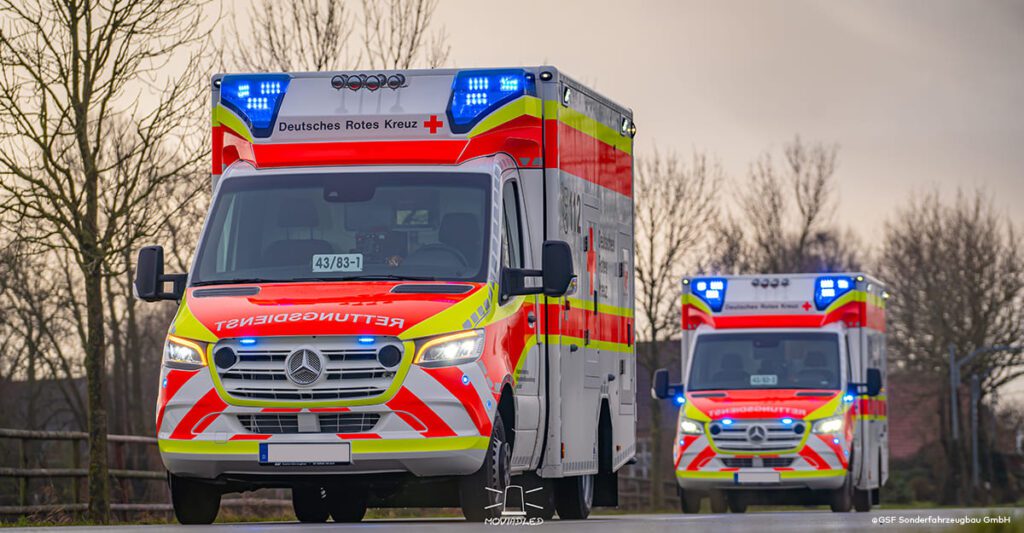
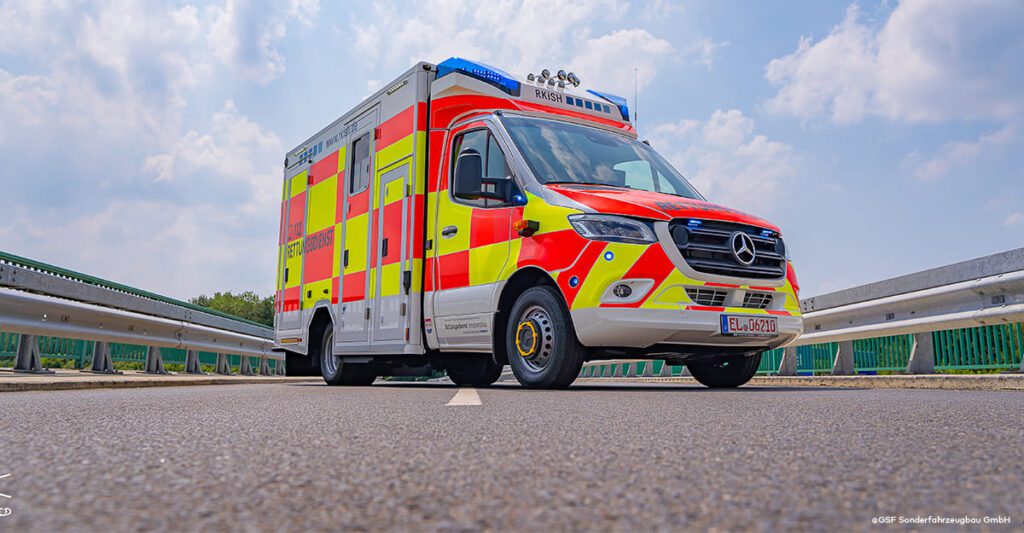
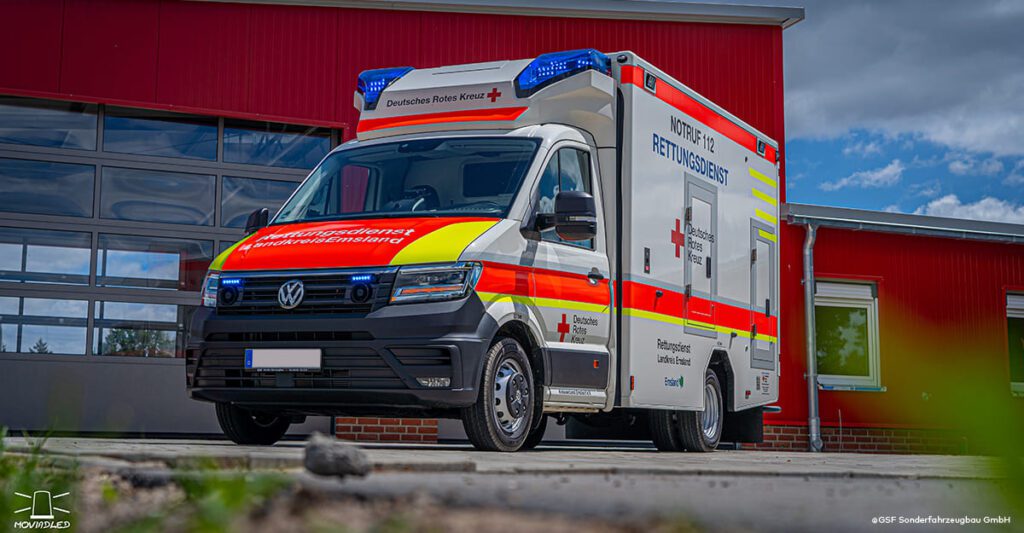
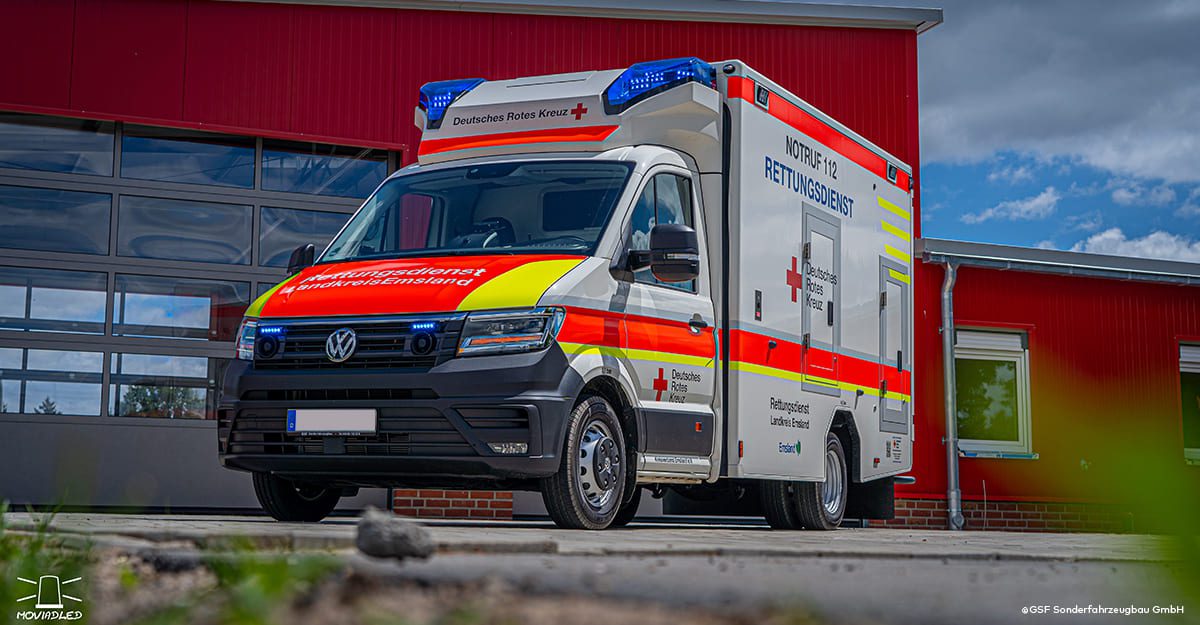
In close collaboration with its clients, GSF develops and manufactures customized special-purpose vehicles, including ambulances, command and control vehicles, equipment vehicles, roll-off containers, measurement and environmental vehicles, as well as other specialized and custom-built solutions. The superstructures are implemented on all common chassis platforms and are precisely tailored to the respective operational requirements.
Thanks to forward-looking planning and the high-quality equipment of its specialized superstructures, GSF also enables particularly sustainable utilization: box body superstructures can be transferred to new chassis up to three times, thereby remaining in service for many years.
The electrical concept of the vehicles has continuously evolved over recent years due to significantly increasing demands on functionality and safety. Previously, various standard I/O modules from miunske were used as “off-the-shelf” products, which were then parametrized to meet vehicle-specific requirements.
Task definition:
In order to make the implementation of customized special-purpose vehicles even more efficient while maintaining a high degree of flexibility, GSF sought approaches toward standardization. On the one hand, individuality and adaptability to customer requirements were to be preserved; on the other hand, manufacturing processes were to be made more efficient and quality-assured.
The requirements for the new central electrics were defined as follows:
- The new central electrical system (CES) solution was required to be not only robust and fail-safe, but also to provide a sufficient number of inputs and outputs, enabling each pin to be unambiguously assigned to a specific function in order to ensure a clearly defined connector pin assignment.
- Reserve inputs and outputs should be provided for potential future additional functions.
- The system was to be designed with user-friendliness in mind, enabling the end user to independently perform software updates.
- Another objective was to significantly simplify the installation of the circuit boards compared to the previous solution. Standardized connectors were intended to facilitate assembly, particularly for less experienced personnel or cross-skilled workers.
- The maximum dimensions of the circuit boards for the driver’s cab, patient compartment, and protection system were defined by the designated installation locations within the vehicle.
The path to a solution
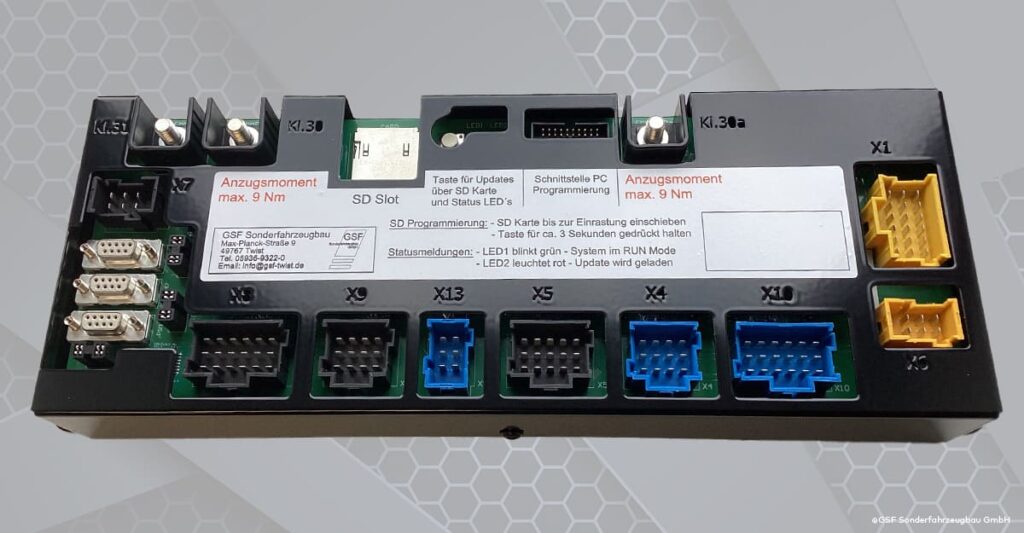
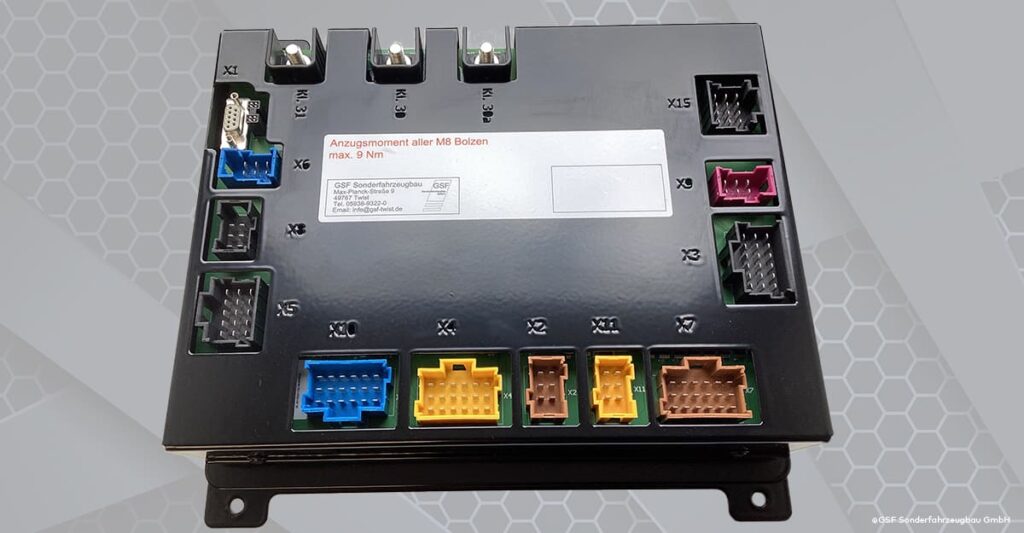
GSF opted for a modular concept based on three decentralized central electrical system circuit boards. Due to the extensive scope of the project, the central electrical system initiative was divided into three sub-projects:
- Development of the central electrical system (CES) circuit board for the driver’s cab
This phase was the most complex, as it also required the definition of the future software architecture. In order to enable independent adaptations, GSF opted for the graphical programming environment Plexim. - Design of the central electrical system (CES) circuit board for the patient compartment
This board was ready for deployment quickly, requiring only minor modifications. Here as well, the software can be parametrized via a GSF-proprietary interface within the miunske-toolchain. - Completion with the fuse board
Following the completion of the two main projects, the fuse circuit board was implemented, thereby completing the overall central electrical system package.


Added value for the customer:
Both GSF and the end users benefit from a forward-looking solution that will continue to meet customer requirements over the long term.
- Optimized wiring and structured functional allocation:
The concept of three circuit boards for controlling and distributing power within the vehicles enables a clear functional allocation for each equipment variant and optimized wiring—also contributing positively to overall vehicle weight. - Efficient production through pre-assembled wiring harnesses:
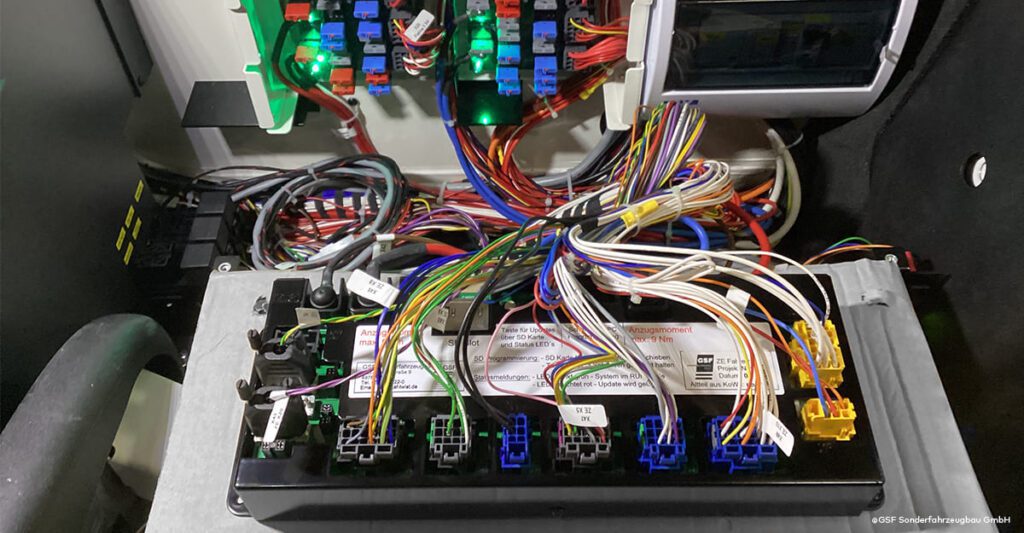
Thanks to the high number of outputs, the wiring harnesses are already pre-assembled with connectors up to 95%. These connectors are color-coded to match the corresponding interfaces on the circuit boards, ensuring increased speed and safety in production. - Flexible and clearly structured software customization:
Graphical programming via Plexim and the miunske toolchain enables rapid configuration adjustments for different customers. This ensures that a high degree of individuality is maintained despite standardization. - Simple adaptation throughout the service life.
Changes, such as the integration of new radio or navigation systems, can be implemented quickly by GSF and independently installed by the customer, thereby saving time and costs.
Customer statement:
“Today, we benefit from clearly structured circuit boards, pre-assembled wiring harnesses, and flexibly adaptable software—this enables efficient manufacturing, rapid customization, and straightforward updates throughout the entire service life of our vehicles.”
Thorsten Weßling-Electrical Design | GSF Sonderfahrzeugbau GmbH
Information:
Customer:
Follow GSF:
Follow miunske:

Decentralized power distribution unit for special-purpose vehicles and emergency medical service vehicles.
Decentralized power distribution units provide significant added value in the construction of special-purpose vehicles. They are individually designed and engineered to meet the specific requirements of each application.

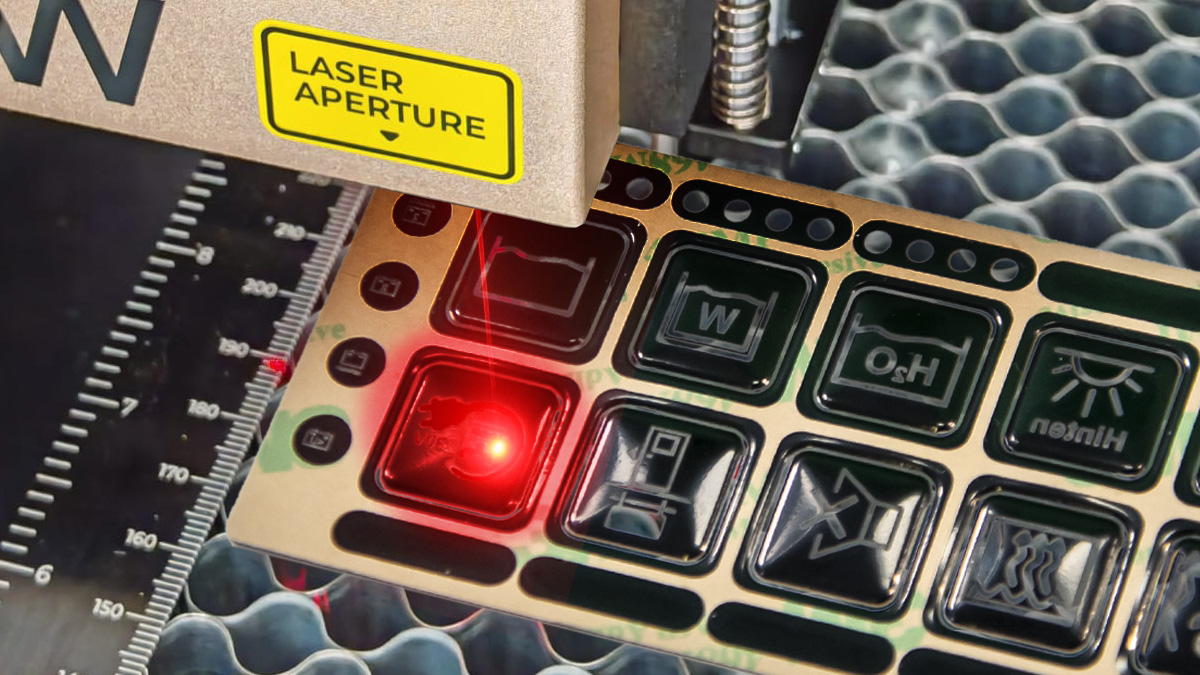
pilot control panel 9.18 with self-lasered operating foil
The pilot control unit 9.18 can meet the high demands of the automotive industry in terms of design and flexibility.

TOPCON-operating devices
miunske® integrates Topcon systems into commercial vehicles according to customer requirements for precise machine control.
Information
Kunde:
RSP GmbH & Co. KGProdukt:
Zentralelektrik im GehäuseCategory:
Date:
April 15, 2026